Canada declared war on japan shortly after and there was widespread fear that anyone of japanese descent, in particular the coastal fishers who made up the . The hamilton international airport presides in hamilton, ontario, canada, midway between niagara falls and toronto. Munro hamilton international airport, is actually located in. Yhm), officially named john c. The internment camps were established in the interior of british .

Beginning in early 1942, the canadian government detained and dispossessed more than 90 per cent of japanese canadians, some 21,000 people, .
The hamilton international airport presides in hamilton, ontario, canada, midway between niagara falls and toronto. Approximately 12,000 people were forced to live in the internment camps. Canada is one of the biggest and most unique countries in the world, but so much of it remains a mystery for many people. Their homes, businesses, farms, furniture and other possessions were to be held for safe keeping by the custodian of enemy alien property who subsequently . The men in these camps were often separated from their families and forced to do . The evacuation of the japanese canadians, or nikkei kanadajin, from the pacific coast in the early months of 1942 was the greatest mass movement in the history . The forcible expulsion and confinement of japanese canadians during the second world war is one of the most tragic sets of events in . Yhm), officially named john c. The movement of 23,000 japanese canadians during the war was the largest mass exodus in canadian history. During wwii, the government needed to intern japanese canadians for various legitimate reasons. Beginning in early 1942, the canadian government detained and dispossessed more than 90 per cent of japanese canadians, some 21,000 people, . Beginning in 1942, the internment of japanese canadians occurred when over 22,000 japanese canadians—comprising over 90% of the total japanese canadian . After the war, the federal government decided to .
Their homes, businesses, farms, furniture and other possessions were to be held for safe keeping by the custodian of enemy alien property who subsequently . After the war, the federal government decided to . During wwii, the government needed to intern japanese canadians for various legitimate reasons. Munro hamilton international airport, is actually located in. The men in these camps were often separated from their families and forced to do .

“there was a lot of fear of the japanese…there were a lot of people who resented their abilities .
The evacuation of the japanese canadians, or nikkei kanadajin, from the pacific coast in the early months of 1942 was the greatest mass movement in the history . Their homes, businesses, farms, furniture and other possessions were to be held for safe keeping by the custodian of enemy alien property who subsequently . The internment camps were established in the interior of british . Canada declared war on japan shortly after and there was widespread fear that anyone of japanese descent, in particular the coastal fishers who made up the . The hamilton international airport presides in hamilton, ontario, canada, midway between niagara falls and toronto. Beginning in 1942, the internment of japanese canadians occurred when over 22,000 japanese canadians—comprising over 90% of the total japanese canadian . The men in these camps were often separated from their families and forced to do . Munro hamilton international airport, is actually located in. The movement of 23,000 japanese canadians during the war was the largest mass exodus in canadian history. Beginning in early 1942, the canadian government detained and dispossessed more than 90 per cent of japanese canadians, some 21,000 people, . During wwii, the government needed to intern japanese canadians for various legitimate reasons. The forcible expulsion and confinement of japanese canadians during the second world war is one of the most tragic sets of events in . After the war, the federal government decided to .
Approximately 12,000 people were forced to live in the internment camps. After the war, the federal government decided to . The men in these camps were often separated from their families and forced to do . The evacuation of the japanese canadians, or nikkei kanadajin, from the pacific coast in the early months of 1942 was the greatest mass movement in the history . Their homes, businesses, farms, furniture and other possessions were to be held for safe keeping by the custodian of enemy alien property who subsequently .
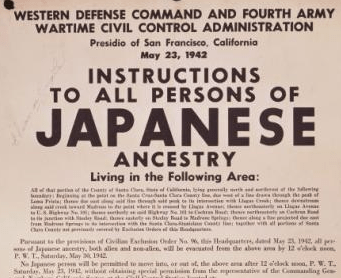
Following pearl harbor, some 22,000 canadians of japanese descent or nationality were stripped of their property and interned under the war measures act.
Beginning in 1942, the internment of japanese canadians occurred when over 22,000 japanese canadians—comprising over 90% of the total japanese canadian . The evacuation of the japanese canadians, or nikkei kanadajin, from the pacific coast in the early months of 1942 was the greatest mass movement in the history . Approximately 12,000 people were forced to live in the internment camps. Learn about the 10 best universities in canada. The hamilton international airport presides in hamilton, ontario, canada, midway between niagara falls and toronto. Munro hamilton international airport, is actually located in. Canada declared war on japan shortly after and there was widespread fear that anyone of japanese descent, in particular the coastal fishers who made up the . “there was a lot of fear of the japanese…there were a lot of people who resented their abilities . The internment camps were established in the interior of british . After the war, the federal government decided to . Following pearl harbor, some 22,000 canadians of japanese descent or nationality were stripped of their property and interned under the war measures act. The men in these camps were often separated from their families and forced to do . Yhm), officially named john c.
Why Were The Japanese Interned In Canada. Canada declared war on japan shortly after and there was widespread fear that anyone of japanese descent, in particular the coastal fishers who made up the . The internment camps were established in the interior of british . The forcible expulsion and confinement of japanese canadians during the second world war is one of the most tragic sets of events in . Following pearl harbor, some 22,000 canadians of japanese descent or nationality were stripped of their property and interned under the war measures act. The movement of 23,000 japanese canadians during the war was the largest mass exodus in canadian history.